



What Is an Explosion-Proof Gantry Crane?
An explosion proof gantry crane is a specialized lifting system designed to operate safely in environments where corrosive gases, harmful chemical materials, or combustible dust may be present. Unlike standard gantry cranes, every electrical and mechanical component is designed to eliminate potential ignition sources—from sealed motors and flameproof enclosures to anti-sparking wheels and overload protection systems.
These cranes are critical for industries where a single spark could trigger catastrophic consequences: oil & gas platforms, chemical plants, coal mines, paint workshops, and grain processing facilities.
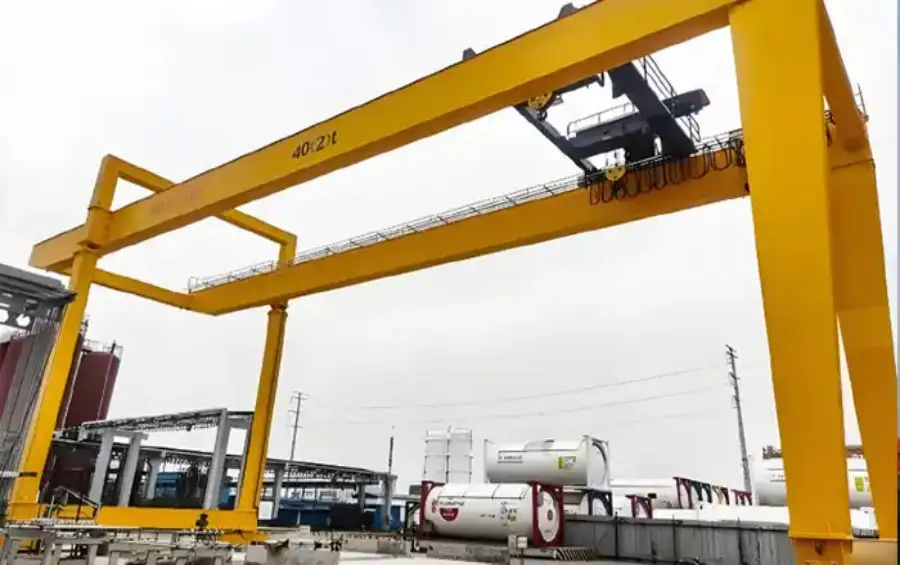
What is the place Do Explosion Proof Gantry Cranes Actually Work?
1. Oil & Gas Platforms
Offshore platforms face extreme weather, saltwater corrosion, and constant exposure to flammable hydrocarbons. Explosion proof gantry cranes here must withstand high winds while ensuring zero ignition risk during heavy equipment handling.
2. Chemical & Petrochemical Plants
From handling raw materials to moving finished products, these cranes operate in atmospheres classified as Zone 1 and Zone 2 under ATEX/IECEx standards. Corrosion-resistant coatings and sealed electrical systems are non-negotiable.
3. Coal Mining Operations
Coal dust is highly combustible. Explosion proof gantry cranes with grab bucket systems safely transport bulk coal while preventing dust ignition through flameproof materials and dust-tight seals.
4. Paint & Coating Workshops
Volatile solvents create explosive atmospheres. Lightweight aluminum or stainless steel components reduce spark risks, while smooth operation minimizes friction-based heat generation.
5. Grain & Powder Processing
Grain dust explosions are a real hazard. These cranes feature sealed electrical enclosures and non-sparking contact surfaces to operate safely in silos and processing plants.
Key Specifications
Lifting Capacity: 1–100 t
Span: 7.5–35 m
Lifting Height: 6–30 m
Duty Class: A5–A7
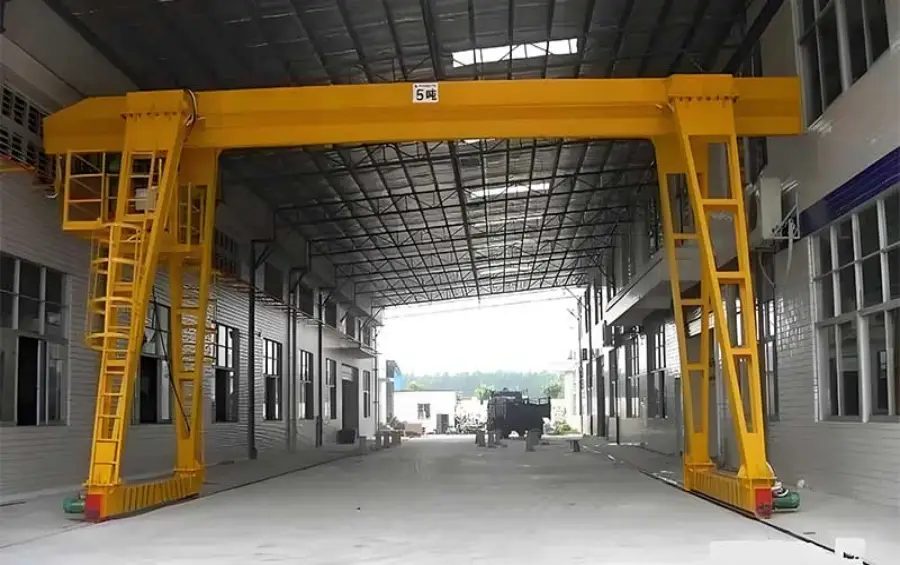
What Makes a Gantry Crane "Explosion Proof"?
Sealed Electrical Enclosures
All motors, switches, and control panels are housed in flameproof housings that contain any internal explosion and prevent it from igniting the surrounding atmosphere.
Non-Sparking Materials
Critical components use stainless steel, aluminum, or beryllium bronze wheels and sheaves to eliminate friction sparks.
Explosion-Proof Motors
ATEX-certified motors with IP66 ratings operate without generating surface temperatures high enough to ignite flammable gases or dust.
Overload & Limit Protection
Dual limit switches and load sensors prevent mechanical failure that could create sparks or structural damage. Emergency stop systems provide constant shutdown capability.
Anti-Collision Systems
Sensors detect obstacles and automatically slow or stop crane movement—critical in confined platform or plant environments.
How to Choose the Right Explosion Proof Gantry Crane?
Step 1: Identify Your Hazard Zone
Zone 0/20: Gas/dust present continuously → Requires highest protection level (ExdIICT4)
Zone 1/21: Gas/dust likely during normal operation → Standard explosion-proof sufficient
Zone 2/22: Gas/dust unlikely but possible → Lower protection may apply
Step 2: Match Capacity to Real Loads
If your typical load is 10 tons, don't spec a 10-ton crane. Go for 16 or 20 tons. This accounts for dynamic loads, future growth, and extends equipment lifespan.
Step 3: Verify Full Machine vs. Partial Certificate
Some suppliers offer "explosion-proof accessories" on standard cranes. For true hazardous areas, insist on full machine compliance—every component should be certified, not only the motor.
Step 4: Check the Supplier's Track Record
Ask for:
Real project cases in your specific industry
Complete technical documentation (assembly drawings, electrical schematics, compliance certificates)
Core component brands and their explosion-proof certifications
On-site installation and after-sales support
Step 5: Consider Total Cost of Ownership(TCO)
A cheaper crane with partial compliance may cost far more in downtime, failed inspections, or safety incidents. Factor in maintenance accessibility, spare parts availability, and predictive monitoring options.
The Bottom Line
An explosion proof gantry crane is not just equipment—it's a safety investment. The right system protects your personnel, passes regulatory inspections, and keeps operations running in environments where standard machinery simply cannot go.
