



What Is a Low Headroom Overhead Crane?
A Low Headroom Overhead Crane is a type of bridge crane specially designed for buildings where vertical space is limited. Unlike conventional overhead cranes, this crane uses a compact hoist design that reduces the distance between the crane runway beam and the hook lifting point.
The main purpose of a low headroom overhead crane is to achieve the maximum lifting height within a restricted building structure.
It is commonly equipped with:
• Low headroom electric wire rope hoist
• Compact trolley system
• Single girder or double girder bridge structure
• Electric control system
• Safety protection devices
By optimizing the crane structure, operators can lift heavier loads without requiring major modifications to the existing building.
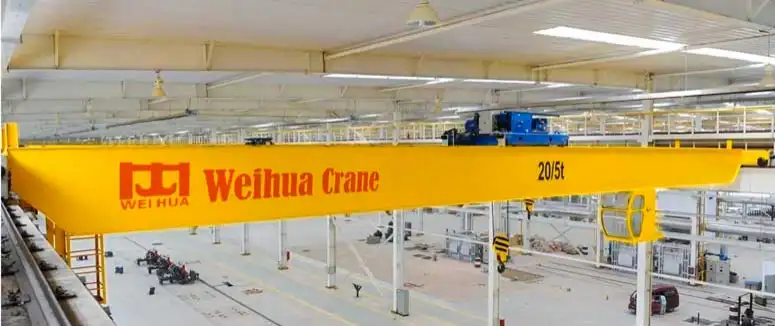
Key Features of Low Headroom Overhead Crane
1. Space-Saving Design
The biggest advantage of a low headroom overhead crane is its compact structure. The specially designed hoist allows the hook to move closer to the ceiling, increasing the available lifting height.
This makes it suitable for:
• Low-ceiling workshops
• Existing industrial buildings
• Small production facilities
• Renovation projects
2. Higher Lifting Height
Compared with standard overhead cranes, low headroom models provide improved hook height under the same building conditions.
For factories where every meter of vertical space matters, this feature can significantly improve operational efficiency.
3. Improved Material Handling Efficiency
Low headroom overhead cranes provide smooth and reliable lifting performance for transporting:
• Machinery parts
• Steel products
• Mold components
• Production materials
• Heavy equipment
They help reduce manual handling and improve workplace productivity.
4. Cost-Effective Installation
Because low headroom cranes require less building height, companies can avoid expensive structural modifications.
Benefits include:
• Lower construction costs
• Reduced installation requirements
• Better use of existing facilities
Types of Low Headroom Overhead Cranes
Single Girder Low Headroom Overhead Crane
A single girder low headroom overhead crane is commonly used for light and medium-duty lifting applications.
Advantages:
• Lower investment cost
• Lightweight structure
• Easy installation
• Suitable for workshops and warehouses
Typical capacity:
1 ton to 20 tons
Double Girder Low Headroom Overhead Crane
Double girder designs provide higher lifting capacity and better stability for heavy industrial applications.
Advantages:
• Higher load capacity
• Longer service life
• Better performance in demanding environments
Typical capacity:
5 tons to 100 tons or more
Applications of Low Headroom Overhead Crane
Low headroom overhead cranes are widely used in many industries, including:
Manufacturing Industry
Used for moving:
• Production equipment
• Components
• Finished products
Automotive Industry
Common applications include:
• Engine handling
• Vehicle assembly lines
• Maintenance operations
Steel and Metal Processing
Used for:
• Steel coil handling
• Metal plate transportation
• Heavy component lifting
Warehouses and Logistics Centers
Helps improve:
• Storage efficiency
• Loading and unloading operations
• Internal material movement
Machine Repair Workshops
Ideal for lifting:
• Motors
• Machinery parts
• Maintenance equipment
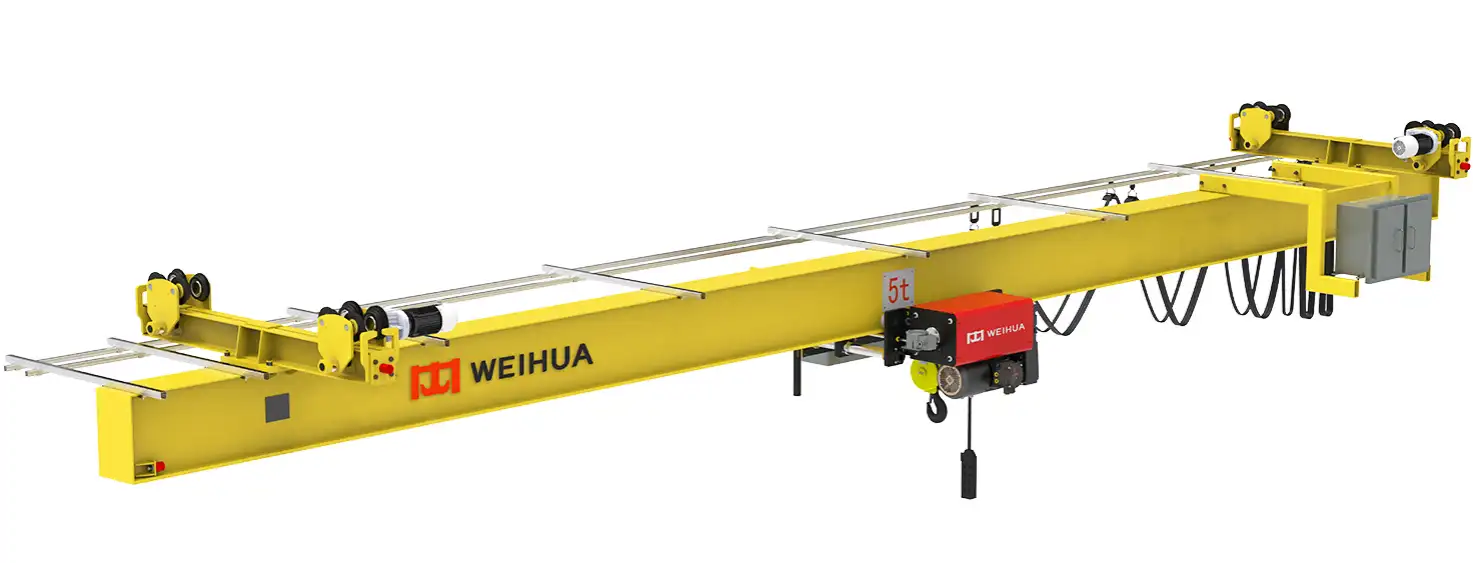
How to Choose the Right Low Headroom Overhead Crane?
Selecting the correct crane requires considering several factors:
1. Lifting Capacity
Determine the maximum weight that needs to be lifted.
Common capacities include:
• 1 ton
• 3 tons
• 5 tons
• 10 tons
• 20 tons
• Customized capacities
2. Building Height and Available Space
Measure:
• Building height
• Runway beam height
• Required lifting height
• Working area dimensions
A professional crane supplier can recommend the most suitable design based on your facility conditions.
3. Working Environment
Consider:
• Indoor or outdoor installation
• Working temperature
• Dust levels
• Corrosive conditions
• Operation frequency
Special designs may be required for harsh environments.
4. Safety Requirements
A reliable low headroom overhead crane should include:
• Overload protection
• Emergency stop system
• Limit switches
• Safety brakes
• Reliable electrical components
Why Choose a Low Headroom Overhead Crane Manufacturer?
Working with an experienced manufacturer provides several advantages:
• Customized crane solutions
• Professional engineering support
• International export experience
• Quality certification options
• Spare parts availability
• After-sales technical support
A professional supplier can design a crane system according to your lifting requirements, factory layout, and industry standards.
Low Headroom Overhead Crane FAQ
1. What is a low headroom overhead crane?
A low headroom overhead crane is a bridge crane designed for buildings with limited vertical space. It uses a compact hoist structure to maximize lifting height while reducing the required installation space.
2. What is the difference between a standard overhead crane and a low headroom overhead crane?
The main difference is the hoist design and lifting height. A low headroom overhead crane places the hoist closer to the bridge structure, allowing higher hook height compared with a standard overhead crane installed in the same building.
3. What is the lifting capacity of a low headroom overhead crane?
The lifting capacity depends on the crane design. Common models range from 1 ton to 100 tons or more. Customized solutions are available for special industrial applications.
4. Where can a low headroom overhead crane be used?
It can be used in:
• Manufacturing plants
• Warehouses
• Automotive factories
• Steel processing facilities
• Machine workshops
• Maintenance areas
5. Can a low headroom overhead crane be installed in an existing factory?
Yes. One of the main advantages of this crane is that it can be installed in existing buildings with limited ceiling height, often without major structural changes.
6. Is a low headroom overhead crane suitable for heavy-duty applications?
Yes. Double girder low headroom overhead cranes can handle heavy loads and are widely used in demanding industrial environments.
7. How long is the service life of a low headroom overhead crane?
With proper maintenance and operation, a high-quality overhead crane can typically provide many years of reliable service. Regular inspection of mechanical and electrical components is essential.
8. How do I get a quotation for a low headroom overhead crane?
To receive an accurate quotation, provide:
• Lifting capacity
• Lifting height
• Span length
• Crane runway length
• Working environment
• Power supply requirements
A professional manufacturer can then recommend the best crane configuration and price.
Conclusion
A Low Headroom Overhead Crane is an efficient lifting solution for industries that need maximum performance in limited spaces. With its compact design, improved lifting height, and flexible applications, it helps companies optimize factory layouts while reducing installation costs.
Whether you need a crane for manufacturing, warehousing, steel processing, or equipment maintenance, choosing the right low headroom overhead crane manufacturer is essential for achieving safe, reliable, and long-term lifting performance.
