What Is a Wall Rail Jib Crane?
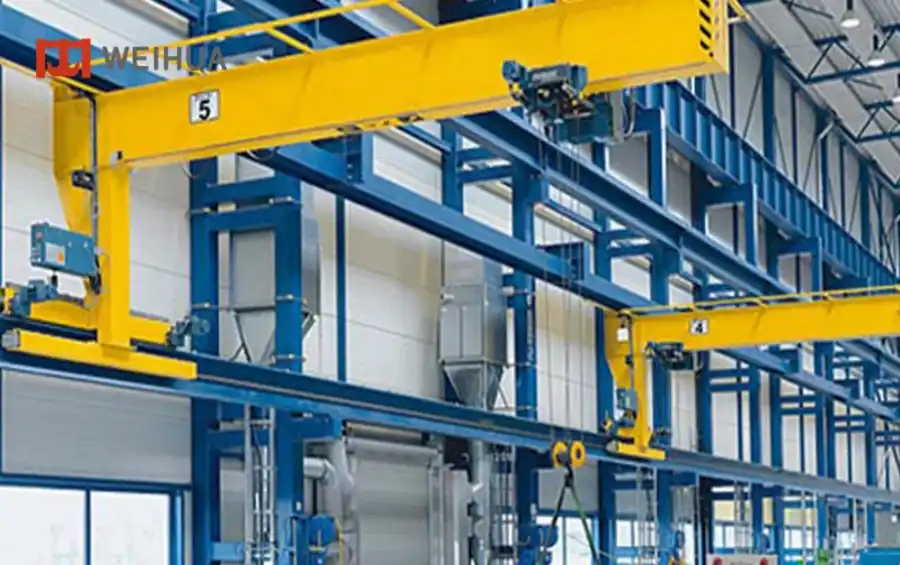
A wall rail jib crane is a type of jib crane installed on a building wall or supporting structure, allowing the crane to move horizontally along a wall-mounted rail system.
Unlike a traditional floor-mounted jib crane, which requires a dedicated foundation, a wall rail jib crane uses the existing building structure to provide lifting support. This design allows multiple jib cranes to operate along the same runway, providing wider coverage in workshops where floor space is limited.
A typical wall rail jib crane consists of:
-Wall-mounted rail system
-Jib arm
-Electric or manual hoisting system
-Traveling mechanism
-Rotation mechanism
-Electrical control system
During operation, the crane can move along the wall rail while the jib arm performs lifting and positioning operations, allowing materials to be handled efficiently within the working area.
Wall rail jib cranes are commonly used in manufacturing workshops, assembly lines, maintenance areas, and warehouses where flexible material handling is required.
How Does a Wall Rail Jib Crane Work?
A wall rail jib crane combines two types of movement:
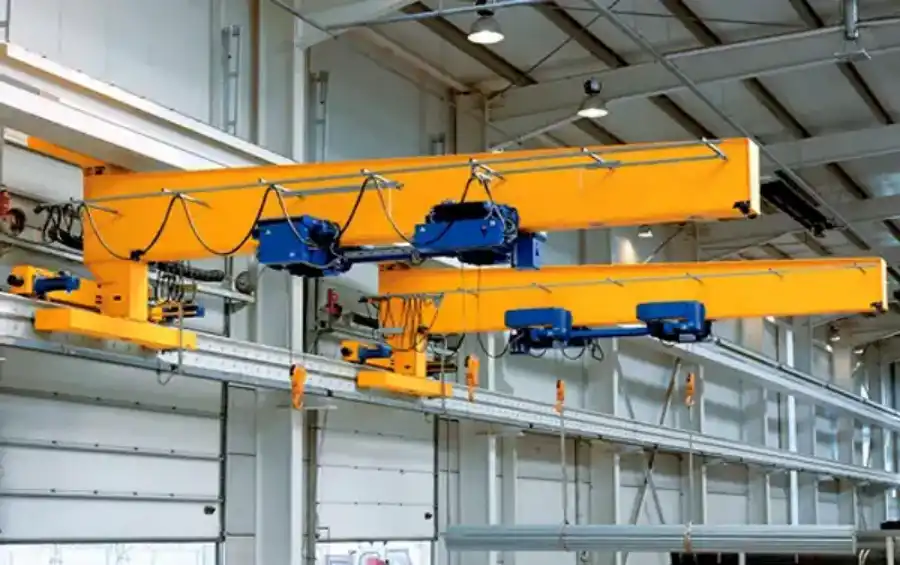
The first movement is the horizontal travel along the wall rail. The crane unit can move to different working positions along the building wall, extending the lifting coverage beyond a fixed jib crane.
The second movement is the jib arm operation, including lifting and rotation. The hoist lifts the load, while the jib arm allows operators to position materials accurately.
This combination provides a flexible lifting solution for areas where materials need to be handled at multiple workstations.
Compared with a fixed jib crane, a wall rail jib crane can cover a larger working area without occupying valuable floor space.
Applications of Wall Rail Jib Crane
Wall rail jib cranes are mainly used in industrial environments where frequent localized lifting is required.
Manufacturing and Assembly Workshops
In production lines, wall rail jib cranes are often used for:
-Machine component handling
-Assembly operations
-Material transfer between workstations
Their flexible movement helps improve production efficiency.
Maintenance and Repair Areas
For equipment maintenance, wall rail jib cranes can assist with:
-Motor lifting
-Machine part replacement
-Maintenance equipment handling
They provide convenient lifting support without requiring a large crane system.
Warehouses and Storage Areas
In warehouses, wall rail jib cranes can be installed along walls to support:
-Loading and unloading
-Local material handling
-Equipment movement
They are especially suitable for areas where overhead crane installation is difficult.
How to Choose the Right Wall Rail Jib Crane?
Selecting a suitable wall rail jib crane requires considering the working environment and lifting requirements.
Lifting Capacity
The crane capacity should match the maximum load weight, including future operational requirements.
Jib Length and Working Radius
The arm length determines the lifting coverage area and should be selected according to the workstation layout.
Installation Structure
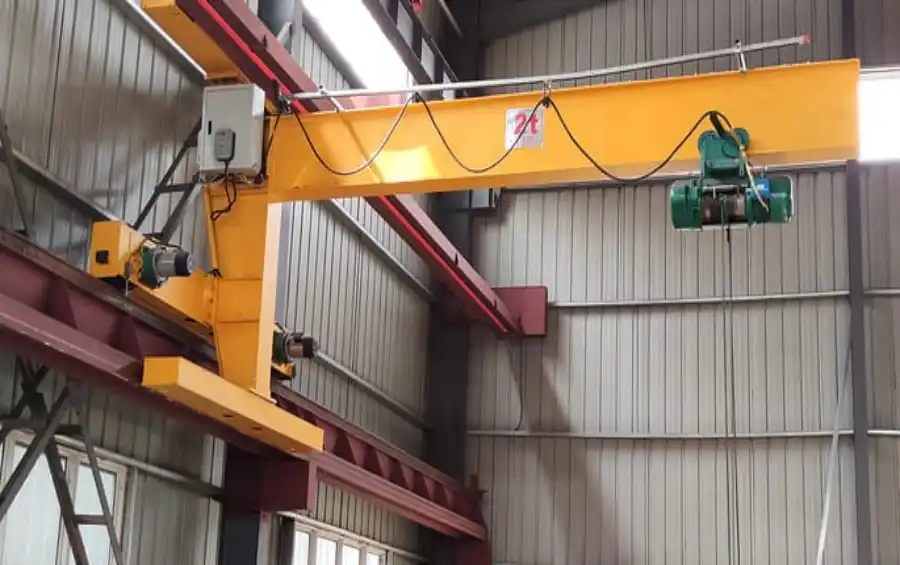
Since the crane is installed on a wall or building structure, it is important to confirm:
-Wall strength
-Supporting structure condition
-Installation position
Working Frequency
The hoist and crane components should match the operation frequency, especially for production environments requiring frequent lifting.
Hoisting System
The suitable hoist type depends on:
-Load weight
-Lifting height
-Operation requirements
A professional crane manufacturer can help design a wall rail jib crane solution based on the actual workshop conditions.
FAQ About Wall Rail Jib Crane
What is a wall rail jib crane?
A wall rail jib crane is a jib crane installed on a wall-mounted rail system, allowing the crane to travel horizontally along the wall while lifting and moving materials.
What is the difference between a wall rail jib crane and a wall mounted jib crane?
A wall mounted jib crane is usually fixed at one position, while a wall rail jib crane can travel along a rail system to cover multiple working areas.
What are the advantages of a wall rail jib crane?
The main advantages include:
-Saving floor space
-Flexible working coverage
-Easy material handling between workstations
-Suitable for workshops with limited space
Where are wall rail jib cranes used?
They are commonly used in manufacturing plants, assembly workshops, maintenance areas, warehouses, and production lines.
Does a wall rail jib crane need a foundation?
No separate floor foundation is usually required, but the building wall or supporting structure must have sufficient strength to support the crane load.
What information is needed for a wall rail jib crane quotation?
The main information includes:
-Lifting capacity
-Jib length
-Lifting height
-Rail length
-Installation conditions
-Working frequency