


 English
 Español
 Русский
 العربية
 Français
 Deutsch
 Português
 Tiếng Việt
 Thai
Thai
 Bahasa Indonesia
 Türkçe
 Italiano

What Is an Outdoor Overhead Traveling Crane?
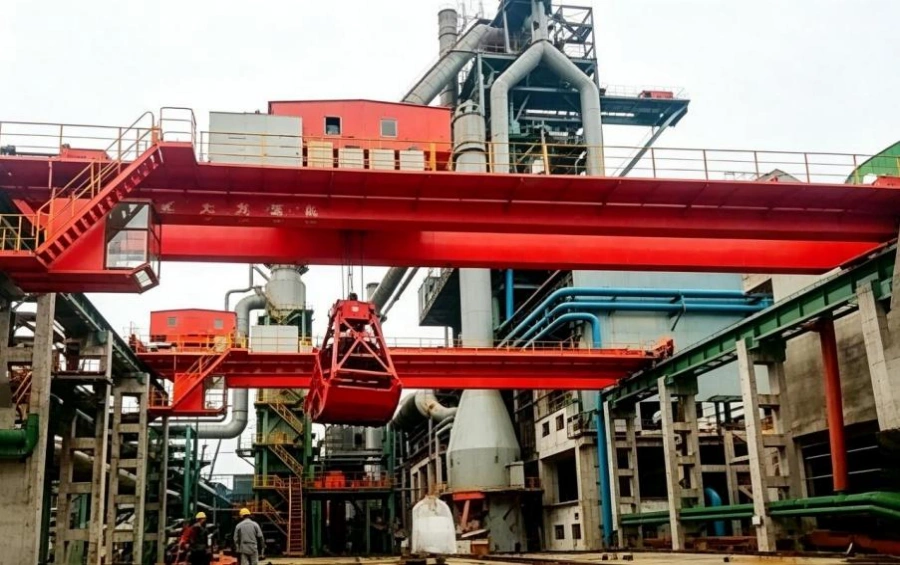
An outdoor overhead traveling crane is a type of bridge crane designed to operate in open-air industrial environments. Like an indoor overhead crane, it travels along runway rails to lift and transport materials across a designated working area. However, because it is exposed to weather conditions such as wind, rain, temperature changes, and humidity, its structural design and component selection require additional engineering considerations.
Outdoor overhead traveling cranes are commonly used in facilities where a permanent runway system can be installed, such as steel fabrication plants, precast concrete yards, power stations, and large manufacturing sites. They provide efficient material handling while maximizing the available working space below the crane.
Compared with indoor installations, outdoor overhead traveling cranes must be designed to withstand environmental challenges and ensure reliable performance over the long term. Factors such as wind loads, corrosion protection, runway design, and electrical protection should all be evaluated during the planning stage.
Key Design Considerations for Outdoor Overhead Traveling Cranes
Before selecting an outdoor overhead traveling crane, it is essential to evaluate the project requirements and operating environment. Unlike indoor installations, outdoor crane systems are exposed to changing weather conditions and require additional considerations to ensure safety, reliability, and long-term performance.
1. Project Requirements
Every outdoor crane project starts with a clear understanding of the lifting application. Factors such as lifting capacity, span, lifting height, load characteristics, and working duty directly influence the crane design. Defining these requirements at the beginning helps ensure the crane is properly configured for both current operations and future production needs.
2. Environmental Conditions
Outdoor cranes operate in challenging environments where weather can significantly affect performance and service life. Wind loads, rain, humidity, temperature variations, and corrosive conditions should all be evaluated during the design stage. Selecting appropriate structural materials, protective coatings, and electrical protection measures helps improve durability and operational reliability.
3. Supporting Structure and Runway System
Unlike gantry cranes, outdoor overhead traveling cranes require a permanent runway system supported by steel structures or reinforced concrete columns. During project planning, engineers should evaluate the available supporting structure, runway alignment, foundation stability, and installation space to ensure safe crane operation and long-term structural performance.
4. Safety and Long-Term Maintenance
A well-designed outdoor crane should not only meet lifting requirements but also minimize maintenance throughout its service life. Features such as wind-resistant devices, corrosion protection, weatherproof electrical components, and convenient inspection access help improve operational safety while reducing long-term maintenance costs.
Outdoor Overhead Traveling Crane vs. Outdoor Gantry Crane
When planning an outdoor lifting project, many buyers compare overhead traveling cranes with gantry cranes. While both are designed for material handling, they differ significantly in structural design, installation requirements, and typical applications.
The biggest difference is how the crane is supported. An outdoor overhead traveling crane operates on runway beams installed on a permanent supporting structure, while a gantry crane is supported by its own legs and travels on rails installed at ground level. This difference often determines which crane is more suitable for a project.
In many outdoor projects, a gantry crane is often the preferred solution because it does not rely on a building structure and can cover a larger operating area. However, when a permanent runway system is already available or planned as part of the facility, an outdoor overhead traveling crane can provide an efficient and reliable material handling solution.
The best choice depends on your project layout, lifting requirements, available supporting structure, and long-term operational needs. Evaluating these factors during the planning stage helps ensure the crane system delivers both reliable performance and cost-effective operation.
Conclusion
Outdoor overhead traveling cranes provide an efficient lifting solution for industrial facilities with permanent runway systems. However, successful project planning requires careful consideration of structural support, environmental conditions, crane configuration, and long-term operational requirements.
For projects without suitable supporting structures, a gantry crane may be a more practical option. Evaluating your site conditions and lifting requirements at the planning stage will help ensure you select the most appropriate crane solution for safe, reliable, and cost-effective operation.
Frequently Asked Questions
Can overhead traveling cranes be used outdoors?
Yes. Overhead traveling cranes can be designed for outdoor applications when a permanent runway system is available. Compared with indoor cranes, outdoor models require additional design considerations, including wind resistance, corrosion protection, weatherproof electrical systems, and reliable supporting structures.
Is an outdoor overhead traveling crane better than a gantry crane?
Neither crane is universally better. An outdoor overhead traveling crane is suitable for facilities with permanent runway structures, while a gantry crane is often preferred for open yards or sites without building support. The best choice depends on your project layout and lifting requirements.
What factors should be considered when designing an outdoor overhead traveling crane?
Key considerations include lifting capacity, span, lifting height, working duty, environmental conditions, supporting structures, runway design, and long-term maintenance requirements. Evaluating these factors early helps ensure safe and reliable crane operation.
What information is required to select an outdoor overhead traveling crane?
To recommend a suitable crane solution, manufacturers typically require the following information:
Required lifting capacity
Span
Lifting height
Working duty
Installation location
Site layout
Environmental conditions
Power supply
Providing complete project details helps ensure the crane is properly designed for the intended application.
Can outdoor overhead traveling cranes be customized?
Yes. Outdoor overhead traveling cranes can be customized according to project requirements, including crane dimensions, lifting capacity, control systems, electrical protection, corrosion-resistant coatings, and other application-specific features.
