


 English
 Español
 Русский
 العربية
 Français
 Deutsch
 Português
 Tiếng Việt
 Thai
Thai
 Bahasa Indonesia
 Türkçe
 Italiano

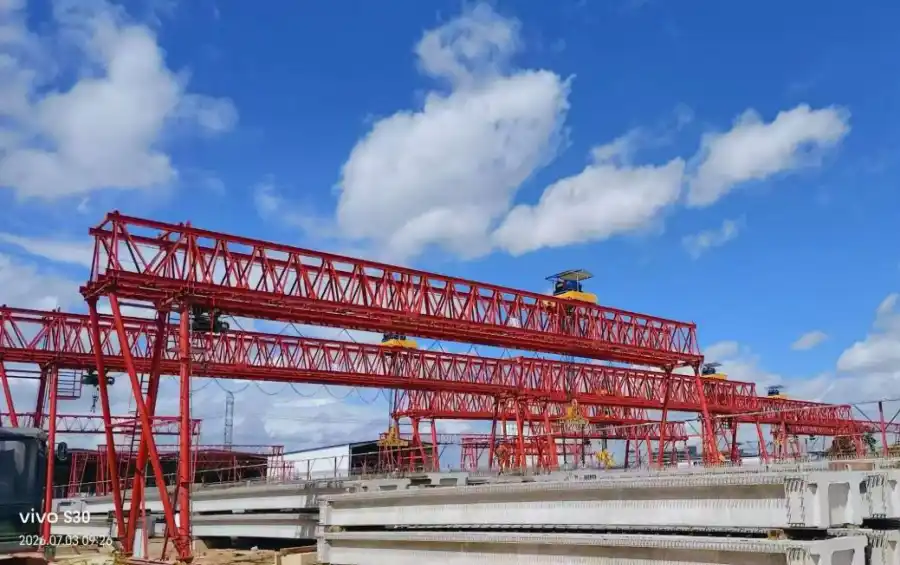
What Is a Truss Gantry Crane?
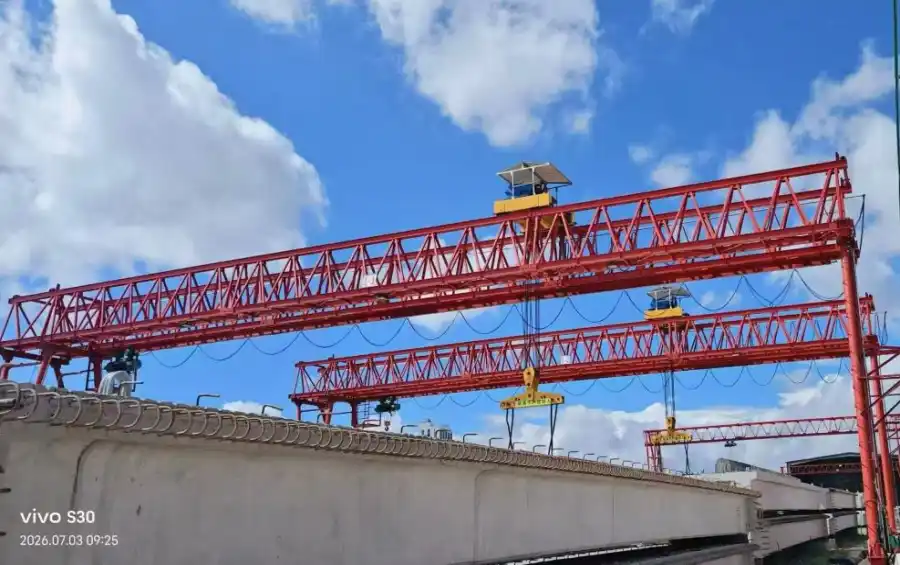
A truss gantry crane is a gantry lifting system whose main supporting structure is designed with steel truss members.
Like other gantry cranes, it normally includes:
-main supporting structure;
-gantry legs;
-crane traveling mechanism;
-lifting mechanism;
-electrical control system;
-ground-level crane rails or traveling system.
The main difference is the structural form of the girder.
The truss arrangement uses interconnected steel members to transfer loads through the structure. Compared with a heavy solid girder, this design can be attractive when the crane needs to cover a relatively large span or operate in an outdoor environment.
The exact crane configuration should still be selected according to lifting capacity, span, lifting height, working duty, traveling distance, operating environment and local site conditions.
Why Consider a Truss Structure?
For most buyers, the decision should start with the site rather than the crane type.
A truss gantry crane becomes interesting when several practical conditions appear at the same time.
Large Span Requirements
Some outdoor lifting areas require the crane to travel over a wide production or storage zone.
Increasing the span of a crane normally increases structural weight and wheel loads. A properly engineered truss structure can help control the weight of the main supporting structure while maintaining the required load-bearing performance.
This can be especially useful in long-span applications where structural efficiency matters.
Outdoor Operation
Outdoor cranes must work with environmental factors that indoor cranes do not face in the same way.
Wind is one of them
Because the truss structure has open spaces between structural members, it generally presents less continuous surface area to the wind than a completely closed girder structure.
However, this does not mean wind conditions can be ignored. Local wind speed, storm conditions, crane parking arrangements and wind protection devices still need to be considered during engineering.
Long Crane Travel
In storage yards and construction areas, the gantry crane may travel a considerable distance.
Crane self-weight affects wheel loads, rail loading and supporting foundations. A more efficient structural design may help reduce unnecessary dead weight, which can influence the overall project design.
This is one reason buyers should evaluate the crane together with the rail foundation instead of treating them as two completely separate systems.
Where Is a Truss Gantry Crane Commonly Useful?
A Truss Gantry Crane is usually selected for jobs where materials need to be lifted across a large open area.
Typical applications can include precast concrete yards, construction material handling, infrastructure projects, outdoor fabrication areas, steel component handling and other large storage or assembly zones.
The exact application is more important than the industry name.
For example, two customers may both ask for a crane for a “construction project,” but their requirements can be completely different.
One customer may lift long precast beams several times per day.
Another may handle steel structures continuously during two production shifts.
A third may only need the crane for installation work during a limited project period.
These three jobs should not automatically use the same crane configuration.
How to Select the Right Truss Gantry Crane?
A useful crane inquiry should answer several technical questions.
1. Required Lifting Capacity
Provide the maximum weight the crane must safely handle.
Do not select the crane only according to the average load.
If the heaviest component is significantly heavier than normal production loads, that maximum load still needs to be included in the crane design.
2. Crane Span
The span is generally the distance between the crane traveling rails.
This dimension is critical.
Do not estimate it from the overall width of the yard. The required working coverage, rail location, safety clearance and surrounding structures should all be considered.
If a layout drawing is available, sending it during the quotation stage is much better than providing only a rough span.
3. Lifting Height
The required lifting height should be based on the actual operating process.
Consider:
-height of the load;
-height of trucks or trailers;
-stacking height;
-lifting equipment below the hook;
-required safety clearance.
A crane that technically lifts high enough but leaves very little operating clearance can become inconvenient in daily use.
4. Crane Traveling Length
This determines how much of the yard the crane must cover.
The crane manufacturer normally needs the approximate runway length to evaluate traveling requirements, power supply arrangement and other installation details.
5. Working Frequency
A crane used ten times per day is very different from one working continuously during production.
Tell the supplier:
-approximate lifts per hour;
-operating hours per day;
-working days per week;
-percentage of heavy loads;
-whether the crane operates in one shift or multiple shifts.
This helps determine the appropriate working duty and component selection.
6. Outdoor Conditions
For an outdoor Truss Gantry Crane, environmental information is essential.
The supplier may need to know:
-site location;
-local wind conditions;
-maximum and minimum temperatures;
-rain or humidity conditions;
-dust levels;
-corrosive atmosphere if applicable.
If the site is near the sea, in a desert area, in a very cold region or in another demanding environment, mention this early.
It may affect structural protection, electrical components, lubrication, coatings and other design details.
What Information Should You Send for a Quotation?
If you need a quotation for a Truss Gantry Crane, providing complete project information can significantly improve the accuracy of the proposal.
A useful inquiry normally includes:
1.required lifting capacity;
2.crane span;
3.required lifting height;
4.crane traveling length;
5.material being lifted;
6.load dimensions;
7.working frequency;
8.indoor or outdoor operation;
9.local power supply;
10.installation country and project location;
11.site or foundation drawing if available;
12.any special operating or environmental conditions.
Photos, sketches and layout drawings are also helpful.
Even a simple hand-drawn layout showing the rail position, working area and nearby obstacles can clarify the application quickly.
Questions to Ask Before Buying
Price matters, but a crane should not be compared only by total quotation value.
When evaluating different suppliers, ask what is actually included in the proposed design.
Useful questions include:
What crane configuration is being offered?
What working conditions was the crane designed for?
What information is required for the rail foundation?
What electrical power supply is required?
Which control method is included?
What installation work will be required on site?
Which parts will be shipped separately for assembly?
What technical drawings will be provided before production?
What spare parts should be prepared for future maintenance?
These questions make quotations easier to compare and help avoid misunderstandings after the order is placed.
Final Selection Advice
A Truss Gantry Crane is mainly worth considering when you need reliable lifting coverage across a large working area and structural efficiency is important.
Before requesting a final offer, confirm four things first:
What are you lifting?
How heavy is it?
How wide is the working area?
How often will the crane operate?
Then add the lifting height, runway length, outdoor conditions, power supply and site drawings.
With this information, a crane supplier can propose a much more realistic configuration and quotation instead of simply offering a standard gantry crane based on tonnage alone.
For buyers, that makes the purchasing process easier: you can quickly understand whether the proposed crane fits your site, whether the structure is appropriate for the actual workload, and which technical details still need to be confirmed before production.
