



What Is a Truss Gantry Crane?
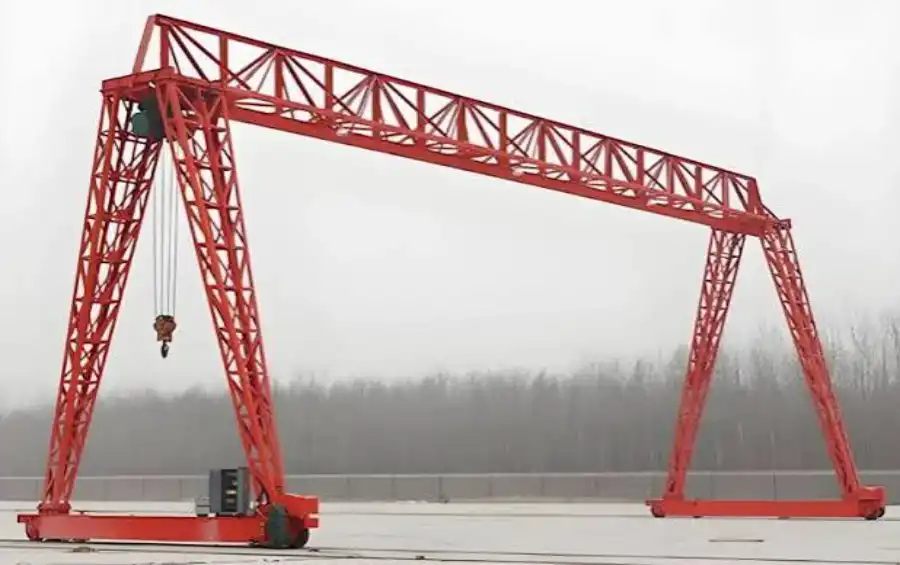
A truss gantry crane uses a lattice frame that reduces the wind load area, which makes it suitable for harsh environments such as heavy rain and strong wind. Thanks to its strong wind resistance, it protects both personnel and equipment. The truss structure adopts a triangular design to increase strength and rigidity, while its lightweight construction keeps the crane's self-weight low. Compared with a box girder gantry crane, the truss gantry crane is more stable and more versatile, especially outdoors.
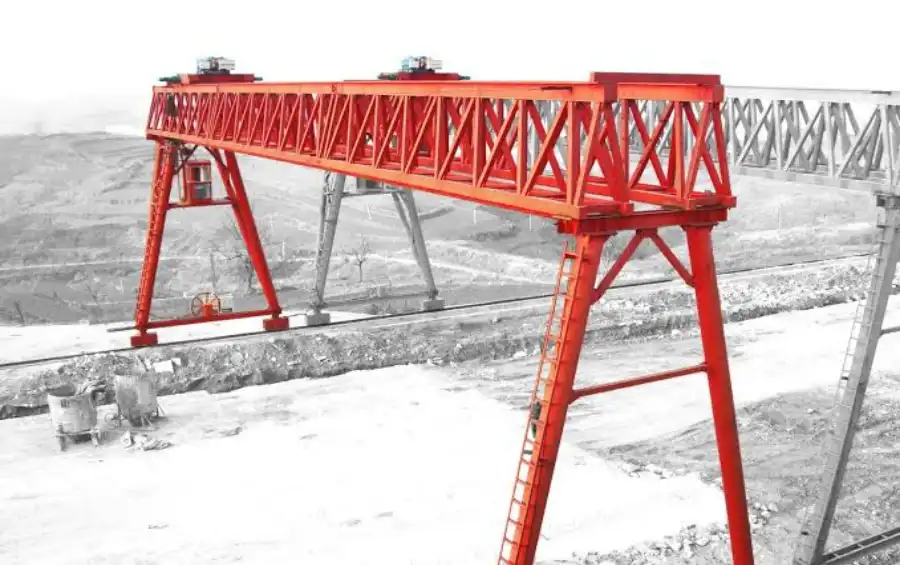
Key Structural Components
A truss gantry crane typically consists of the following components:
Truss Girder / Main Beam
This is the main load-bearing structure of the crane. Its triangular lattice design provides greater strength to support the rated load.
Support Legs & End Carriages
The support legs and end carriages also form a triangular frame. The bracing on the support legs is triangular as well, because this shape provides better stability.
Hoist & Trolley System
The trolley is normally fitted with a CD or MD electric wire rope hoist. The hoist motor drives both the lifting and trolley travel movements along the main beam.
Travel Mechanism
The crane has two travel mechanisms: the hoist travel, which moves the trolley along the girder, and the crane travel, which moves the whole crane along the rails. The crane travel motor is installed on the end carriage.
Electrical & Control System
Electric power is supplied mainly through a cable reel, which feeds the crane travel motors. A separate cable trolley system supplies power to the hoist motor, so that the hoist can lift and move loads.
Advantages of Truss Gantry Cranes
Lightweight & Cost-Effective. Because the crane is lightweight, shipping costs are lower, which reduces your total cost from purchase through to maintenance.
High Wind Resistance. The triangular lattice structure reduces the wind load area, which helps prevent accidents caused by strong winds. Of course, even a truss gantry crane should not be operated in typhoon conditions, as no gantry crane can be guaranteed safe in such extreme weather.
Large Span Capability. The stable structure allows the truss gantry crane to be built with a large span while still lifting goods reliably.
Common Applications
Truss gantry cranes are commonly used in the following scenarios:
-Construction sites & infrastructure projects
-Warehouses & logistics centers
-Shipyards & ports
-Railway & highway maintenance
-Manufacturing & assembly plants
In steel factories, for example, you can see truss gantry cranes working at the job site, lifting steel sections and coils. Beyond this scenario, truss gantry cranes are also widely used in the other applications listed above.
Truss Gantry Crane Design Considerations
Duty class. This is one of the most important factors to consider. You should select the operating duty class that matches your actual working conditions; otherwise, the crane may be overloaded for its design duty, which increases the risk of accidents.
Anti-wind compatibility. Wind resistance is a crucial factor to consider before you buy. Thanks to the stable truss frame, the standard design already provides adequate wind resistance for normal outdoor operation.
Material selection. Choose the right steel grade and follow proper welding standards for the truss frame materials, so that the crane can withstand long-term use in your working environment.
Compliance with standards. Compliance with international standards is vital, because the relevant certificates (such as ISO 4301 and CE) affect your right to import the crane. If the supplier cannot provide these certificates, the crane may be held up at customs or rejected by local authorities, so always verify the documentation before you order.
How to Choose the Right Truss Gantry Crane?
Make your requirements list. Define your load spectrum, span, lifting height, usage frequency, and working environment before you contact a supplier.
Evaluate the supplier. Check their certificates and factory conditions, but most importantly, confirm that their products and after-sales service can actually solve your lifting problems.
Price. This is another key factor to consider. Make sure the quotation fits your budget, and remember that the cheapest option is not always the most cost-effective in the long run.
Frequently Asked Questions
What is the maximum span of a truss gantry crane?
Generally, spans can be customized from 18 m to 35 m. Keep in mind that you must balance the lifting capacity against the span, in order to avoid main girder fracture or breakage.
Is a truss gantry crane cheaper than a box girder crane?
Not necessarily. The price depends on many factors, such as span, lifting capacity, duty class, and voltage. So it is better to consider all these factors together before making a decision.
Can truss gantry cranes be used indoors?
Yes. Just share your workshop dimensions and photos with us, and we will help you work out the right crane dimensions for your site.
